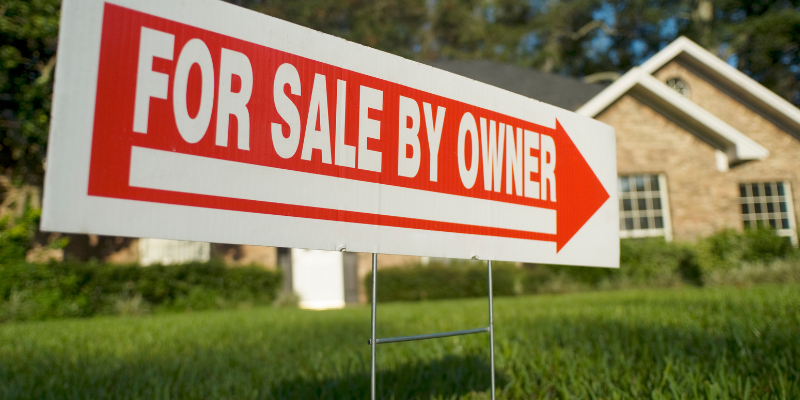
You’ve decided to sell your Maryland home yourself, without an agent. Maybe you are tired of watching 6% of your sale price disappear in commission fees. Maybe you just want more control over the entire process. You are not isolated, whatever the situation. According to the National Association of Realtors (2022), the median sale price for homes sold by owners without an agent was $225,000, while the median sale price for homes sold with agent assistance was $345,000. But what many people miss is that selling FSBO in Maryland is more than just avoiding agent fees. It is about understanding a complex process that can have a dramatic impact on your financial results.
I’ve been buying houses across Maryland for over a decade. From Towson to Frederick, Annapolis to Hagerstown, I’ve seen sellers navigate this process successfully and watched others make costly mistakes. Let me walk you through everything you need to know to sell your Maryland home without an agent while protecting your interests every step of the way.

How to Sell Your House by Owner in Maryland: Complete Guide
In Maryland, you can sell your home without a real estate agent by handling the entire process yourself, including setting the price, marketing the property, scheduling showings, negotiating with buyers, and managing the closing. This FSBO approach is popular since the state does not require the use of an agent, but it does place full responsibility on the seller. Maryland’s housing market can be highly competitive, with homes often selling quickly and sometimes above asking price, especially when priced and presented well. However, mistakes in pricing, marketing, or negotiation can cause buyers to choose better-prepared listings, leaving your home on the market longer than expected. If you want to better understand the process, you can review how King Street Property Group works to see how sellers streamline their options.
Cost Analysis: FSBO vs Traditional Real Estate Agent Sales
Let’s talk numbers. The average total realtor commission in Maryland is approximately 5.55% of the home’s sale price in 2026. On a median-priced Maryland home (around $420,000), that’s roughly $23,300 in combined agent fees. On a $500,000 home, you’re looking at approximately $27,750 in commission costs. By selling FSBO, you could potentially keep that money in your pocket. However, there’s a catch that many sellers don’t realize until they’re deep into the process. A recent survey found that 36% of people who sold without a traditional agent made legal errors, and 40% didn’t fully understand the contracts they signed. In a traditional sale, your realtor would typically help guide you through these requirements.
Those errors can end up costing more than the commission savings. FSBO sellers sometimes lose thousands of dollars when they miss disclosure requirements, mess up paperwork, or get low-ball offers they didn’t know how to negotiate. Many of these complexities can be avoided if you are considering working with a local cash buyer in Virginia and the surrounding states. Cash buyers can often take care of a lot of the paperwork, work out the timeline, and smooth out negotiations, but ultimately, you still have the final say.
Timing Your Maryland Home Sale for Optimal Results
Maryland’s real estate market follows seasonal patterns. Spring and summer traditionally see the highest activity, but recent data shows interesting shifts.
The National Association of Realtors (NAR) predicts that in February and March alone, sales activity increases by as much as 34% and prices by 3%. However, inventory constraints have kept the market active year-round in many Maryland counties.
The median DOM in Maryland in April 2024 was 44 days, which is up 10 year-over-year compared to October 2024. This means that on average, listings spend a month and a half on the market before they are purchased.
For FSBO sellers, timing matters even more. You want to list when buyer activity is high, but before the market gets saturated with inventory. In Maryland, that sweet spot is typically late February through early May, and again in late August through October.
Consider local factors too. If you’re in Columbia, the city saw a 5.1% increase in median home sale prices between October 2024 and 2025, landing on $517,000. Its median DOM increased to 28 days in 2025, and while that increase suggests a shift in buyers’ favor, such a relatively low number still suggests a competitive seller’s market.
Maryland FSBO Requirements and Legal Documentation
Here’s where many FSBO sellers get tripped up. Maryland has specific legal requirements that you must follow, regardless of whether you use an agent.
The primary document for FSBO sellers is the Maryland Residential Property Disclosure and Disclaimer Statement. This multi-page form is the official tool for satisfying your base-level disclosure obligations. A seller must provide this form to the buyer on or before the time the buyer enters into a contract of sale.
You have two options with this form: full disclosure or disclaimer. However, this is the source of the single most dangerous misconception in FSBO sales. Choosing the “disclaimer” option does not, under any circumstances, protect a seller who actively conceals a known, serious, and hidden defect. Even if you choose the “disclaimer” path and sell the home “as-is,” you are still legally prohibited from committing fraud.
Essential Documents You’ll Need:
Property Deed: Your property deed proves ownership and describes it. Make sure all legal owners are listed correctly.
Sales Contract: The sales contract between you and the buyer specifies the price, contingencies, and closing date. This is legally binding, so get it right.
List of Inclusions/Exclusions: This form lists all the appliances that you intend to sell along with the property, discloses leased items such as propane tanks or solar panels, and informs a buyer if the property is served by public water and sewer or is on a well and septic.
HOA Resale Package: As an FSBO seller, you are required to supply the buyer with a homeowners association resale package five calendar days or more before entering into a contract. If you do not supply the resale package to your buyer, s/he can cancel the contract five calendar days after receiving the documents and is entitled to a return of the deposit.
I’ll be straight with you: the paperwork can be overwhelming. Creating a legally sound Maryland real estate contract on your own can be challenging, especially if you’ve never done it before. About 7% of home sellers who went without a realtor said the paperwork was the hardest part of the process.
Understanding Maryland Real Estate Disclosure Laws
Maryland’s disclosure laws are designed to protect buyers, but they also protect you as a seller when followed correctly. The key is understanding what you must disclose versus what you can disclaim.
A latent defect is a material problem with the property that the seller has actual knowledge of. The defect is not obvious and cannot be discovered by a buyer through a reasonably careful inspection. The defect is significant enough that it would likely affect the buyer’s decision to purchase the home or the price they would be willing to pay.
Common disclosure issues in Maryland include:
Unpermitted Work: If you finished a basement, added a deck, or rerouted plumbing without obtaining the proper local permits, you must disclose this. Unpermitted work can cause title insurance issues and require the new owner to perform costly remediation.
Property Line Disputes: If you have an ongoing disagreement with a neighbor about the location of a fence, you must disclose this.
“Stigmatized” Property: In Maryland, sellers are generally not required to disclose if a property was the site of a death, felony, or other event that does not affect its physical condition. However, you must not lie if a buyer asks you a direct question about it.
Honestly, most agents won’t tell you this: even with a disclaimer, you’re still liable for fraud if you actively conceal known defects. The safest approach is full disclosure of anything you know could affect the property’s value or desirability.
Setting the Right Price for Your Maryland Home Sale
Pricing is where FSBO sellers either win big or lose everything. Without an agent’s comparative market analysis (CMA), you need to do this research yourself.
In March 2026, home prices in Maryland were up 4.6% compared to last year, selling for a median price of $446,900. But statewide medians don’t help you price your specific property.
Start with online valuation tools, but don’t rely on them exclusively. Zillow’s Zestimate can be off by 10-20% in either direction. Instead, look at recent sales of similar properties in your neighborhood within the last 90 days.
Pay attention to: Square footage and lot size, number of bedrooms and bathrooms, age and condition of the property, unique features or upgrades, and days on market for comparable sales.
Though the median sale price reaches $464,990 (down 0.07% year-over-year), the meaningful indicator is market velocity. Properties move within 43 days on market, inventory totals just 3.2 months of supply, and homes are selling for 100.95% of listing prices.
This data tells you that Maryland is still a seller’s market, which means you can price competitively without undervaluing your property.
Consider getting a professional appraisal for $400-600. It’s a small investment that could save you from pricing mistakes that cost thousands.

Preparing Your Maryland Property for Maximum Market Appeal
In real estate, first impressions are everything. You only have one shot to make a buyer fall in love with your property, and that is often within the first 30 seconds of arrival. Start with curb appeal. Power wash the driveway, trim bushes, plant seasonal flowers, and make sure the front entrance is welcoming. Inside, focus on the spots buyers will notice first: maintain a clean and functional kitchen, spruce up small details like cabinet hardware and light fixtures, give bathrooms a quick facelift with new caulk and updated fixtures, replace or clean worn flooring, and paint the entire house in fresh neutral tones. These simple upgrades make a property look well-maintained and move-in ready without a huge investment.
Cleaning up your space is essential because it helps buyers picture themselves living in the home. Remove personal items, family photos, and excess furniture to create a clean, neutral, and open environment. Staging does not need to be expensive. Small changes like rearranging furniture, adding a few plants or flowers, and clearly defining each room’s purpose can make a strong impact. It is also important to think carefully about the return on investment if your property needs major repairs. In some situations, it may be more cost-effective to sell as-is to cash home buyers in West Virginia rather than spend a large amount on updates that may not meaningfully increase your final sale price.
Photography and Virtual Tour Best Practices for Home Sales
In Maryland’s fast-changing real estate market, your listing photos are often a buyer’s first impression of your property. Homes often sell at or near the asking price and don’t stay on the market long, so great photos can help get more eyes on the property and generate interest quickly. Professional photography typically costs $200-$500 and can substantially increase your sale price and time on market. If you plan to take your own photos, be sure to shoot during the day, open the curtains and blinds, and turn on all interior lights so that your images are bright and well-lit. To create a sense of space, take pictures of rooms from the corners, keeping the camera level and avoiding flash as much as possible.
Before you take photos, clear your home of personal items and clutter to avoid distracting potential buyers. Make the beds, wipe down the counters, and make sure the entire house is spotless.” Photos of the outside should be taken on a sunny day so that things like pools, decks, landscaping, and outdoor living spaces pop. Virtual tours are also becoming more important, and they can be created with apps for smartphones or through expert services. Instead of taking pictures of rooms individually, your photos should tell the story about the lifestyle your home provides. The aim is for buyers to imagine themselves living there, whether it’s a tranquil outdoor space or a large kitchen perfect for entertaining.
Creating Effective Online Listings for Maryland Homes
You want your listing description to seduce buyers, but also give them the information that they care about. “Bethesda and Rockville, Maryland, are a very competitive market. The buyers are very knowledgeable and very particular. Use a headline that catches the eye and tells what is best about your property. For example, a gourmet kitchen, a waterfront location, or a move-in-ready condition. Begin the description with the property’s square footage, lot size, number of bedrooms and bathrooms, and any notable features, such as an attached garage, updated kitchen, or finished basement. Location is key, so be sure to tout the great schools, easy commuting, close proximity to restaurants and shops, and other area perks.
Use specific, descriptive language: Instead of “nice kitchen,” write “granite countertops and stainless steel appliances.” Instead of “good location,” write “walking distance to Kentlands shops and restaurants.” Instead of “updated,” specify what was updated and when.
Include practical information Maryland buyers care about: property taxes (buyers budget for this), HOA fees if applicable, recent improvements with approximate dates, heating/cooling systems and age, and parking details (garage, driveway, street).
You can list your home for sale with a Flat Fee MLS Maryland listing service. High-tech MLS listing sites like Houzeo automatically assign the right MLS paperwork based on your location. Getting on the MLS is crucial for exposure, even as an FSBO seller.
Maryland Home Inspection Process and Seller Responsibilities
Most buyers will want a home inspection, even in Maryland’s high-speed real estate market, so it’s good to know what to expect so you don’t get any surprises. Inspection periods are usually 5 to 10 days after the contract is signed, depending on the terms negotiated. Professionals examine the key components of the property, including the foundation, roof, framing, electrical and plumbing systems, HVAC equipment, windows, doors, and safety features like smoke detectors and railings. Turn on all utilities, open access to critical systems and equipment, and gather documentation for recent repairs or upgrades. Buyers can ask for repairs, closing credits, price reductions, or major system replacements after reviewing an inspection report. As the seller, you can either agree to the requests, offer credits instead of repairs, negotiate on what items you will address, or decline the requests and risk losing the deal.
Common Issues in Maryland Homes: Basement moisture (common in older Maryland homes), electrical updates needed (especially pre-1980 homes), HVAC efficiency concerns, roof issues from weather exposure, and deck and porch safety concerns.
Be reasonable, but don’t feel obligated to fix every minor issue. In a seller’s market, buyers are often more flexible about inspection items.
Title Search and Settlement Procedures in Maryland
Settlement in Maryland is conducted by attorneys or title companies and is more standardized than in some other states. Title companies will conduct a title search to confirm ownership and determine if there are any legal issues with the property. It can take 1 to 2 weeks and will include such details as present ownership, liens or judgments, easements or restrictions, and property tax status. Common title problems include unpaid property taxes, mechanic’s liens from contractors, judgment liens from lawsuits, boundary disputes, and missing signatures on earlier deeds. The buyer usually buys title insurance to protect against future defects in the title. The seller will usually be asked to provide a copy of the current deed, survey (if available), property tax records, HOA documentation, and mortgage payoff information.
Settlement generally is 30 to 45 days after signing the contract, depending on financing, negotiations over inspections, the timing of the appraisal, and the completion of the title search. As a seller, you’ll be required to supply all necessary paperwork, make arrangements for the mortgage payoff, complete any repairs that were agreed upon, get ready for the final walkthrough, and bring proper ID to closing. You will also have to factor in settlement costs such as county transfer taxes, attorney or settlement fees, document preparation fees, recording fees, and prorated property taxes or HOA dues. Work with an experienced settlement attorney for smooth sailing and to protect your interests every step of the way through Maryland’s closing procedures.
Navigating Maryland Property Tax Implications for Sellers
Maryland property taxes are assessed and collected at the county level, which creates variation across the state and can affect your overall sale. Approximate property tax rates by county include Montgomery County at 1.05%, Prince George’s County at 1.10%, Baltimore County at 1.10%, Anne Arundel County at 0.87%, and Frederick County at 1.15%. According to Rocket Mortgage, the average property tax rate in Maryland is about 1.05%, though this varies based on location, home value, and local assessments. Property taxes are also prorated at settlement, meaning you will either receive a credit if taxes have been prepaid or be responsible for paying taxes up to the closing date if they remain unpaid.
Other key issues include the appeal of the assessment, the timing of the tax, and the exemptions. If your property has been recently reassessed and you disagree with the value, you may appeal, but it is usually best not to delay a sale while waiting for the outcome. Maryland’s tax year runs from July 1 to June 30, so timing your sale during this cycle can affect prorations. If you have claimed a homestead exemption previously, please notify the county after closing so you do not continue to receive benefits on a property you no longer own. Transfer taxes also vary by county and municipality, and capital gains taxes may apply, although primary residences may be eligible for exclusions of up to $250,000 for individuals or $500,000 for married couples if ownership and residency requirements are met. Tax implications can vary greatly, so it’s best to consult with a tax professional, especially for investment properties or larger sales.

Avoiding Common FSBO Mistakes in Maryland Real Estate
By learning the mistakes of others , you can save yourself a ton of hassle and thousands of dollars . Here are some of the most common problems Maryland FSBOs face. Common pricing mistakes include overvaluing a home because of sentiment, underpricing and losing money, not adjusting prices to reflect changing market conditions, and overlooking neighborhood trends. Legal and documentation errors can also create problems, including using old contract forms, not making required disclosures, mishandling earnest money, and misunderstanding what contingencies require. Marketing Failures – These are common challenges for agents, such as poor online exposure, inconsistent communication with buyers, poor quality photos, and not properly showcasing a home’s best features.
Additional challenges are negotiation issues like taking offers personally, rather than as a business decision, accepting the first offer without reviewing terms, poor handling of multiple-offer situations, or not properly vetting buyers. “Timeline management is also key, as unrealistic expectations of selling speed, poor coordination of inspections and appraisals, and last-minute scrambling can add unnecessary stress. Such financial oversights as underestimating carrying costs, misunderstanding net proceeds, failing to account for closing expenses, or poor tax planning can significantly reduce profits. There are security concerns too, such as letting unvetted strangers into your home, or sharing too much personal information during showings. The best FSBO sellers are those who have real estate experience or who work with professionals strategically for certain parts of the process while still maintaining overall control of the sale.
FAQs:
Can You Sell a House in Maryland Without a Realtor?
Yes, you can absolutely sell your house in Maryland without a realtor. There is no requirement in the State of Maryland that a real estate agent must be engaged to sell real estate, and there are many reasons why people elect not to do so. However, you’ll need to handle all aspects of the sale yourself, including pricing, marketing, negotiations, and legal documentation.
What Is the Most Common Reason a Property Fails to Sell?
Overpricing is the most common reason properties fail to sell in Maryland. Many sellers price based on what they need or want rather than current market conditions. Other common factors include poor presentation, inadequate marketing, and unrealistic seller expectations about the timeline or terms.
Is Selling Your House by Owner Worth It?
It depends on your situation and experience level. FSBO (For Sale By Owner) can save on listing commission, but statistics show FSBO homes typically sell for 5%-15% less than agent-assisted sales. You’ll save on commission fees but take on significant responsibility and risk. It works best if you have real estate experience, already have a qualified buyer, or are selling in a very hot market.
What Is the 3 3 3 Rule in Real Estate?
The 3 3 3 rule suggests that you should interview at least 3 agents, get 3 different market analyses, and take 3 days to make your decision. For FSBO sellers, this translates to getting at least 3 professional opinions on your home’s value, researching 3 different marketing strategies, and taking time to carefully consider all aspects of your sale before proceeding.
Selling your Maryland home without an agent can be rewarding both financially and personally, but it requires careful planning and execution. The key is understanding what you’re taking on and preparing accordingly.
Whether you decide to go the full FSBO route or work with a cash buyer like King Street Property Group, the most important thing is making an informed decision that aligns with your timeline, financial goals, and risk tolerance.
If you want to talk through your options, we’re here. No pressure, no obligation. Sometimes the best path forward becomes clear when you can discuss your specific situation with someone who’s seen it all before.
Helpful Maryland Blog Articles